
Rotator Cuff Tendinopathy Treatment Sydney
Shoulder pain from rotator cuff tendon degeneration or calcification. Shockwave therapy is a highly effective non-surgical treatment — particularly for calcific presentations.
Book a Free Call Book an Appointment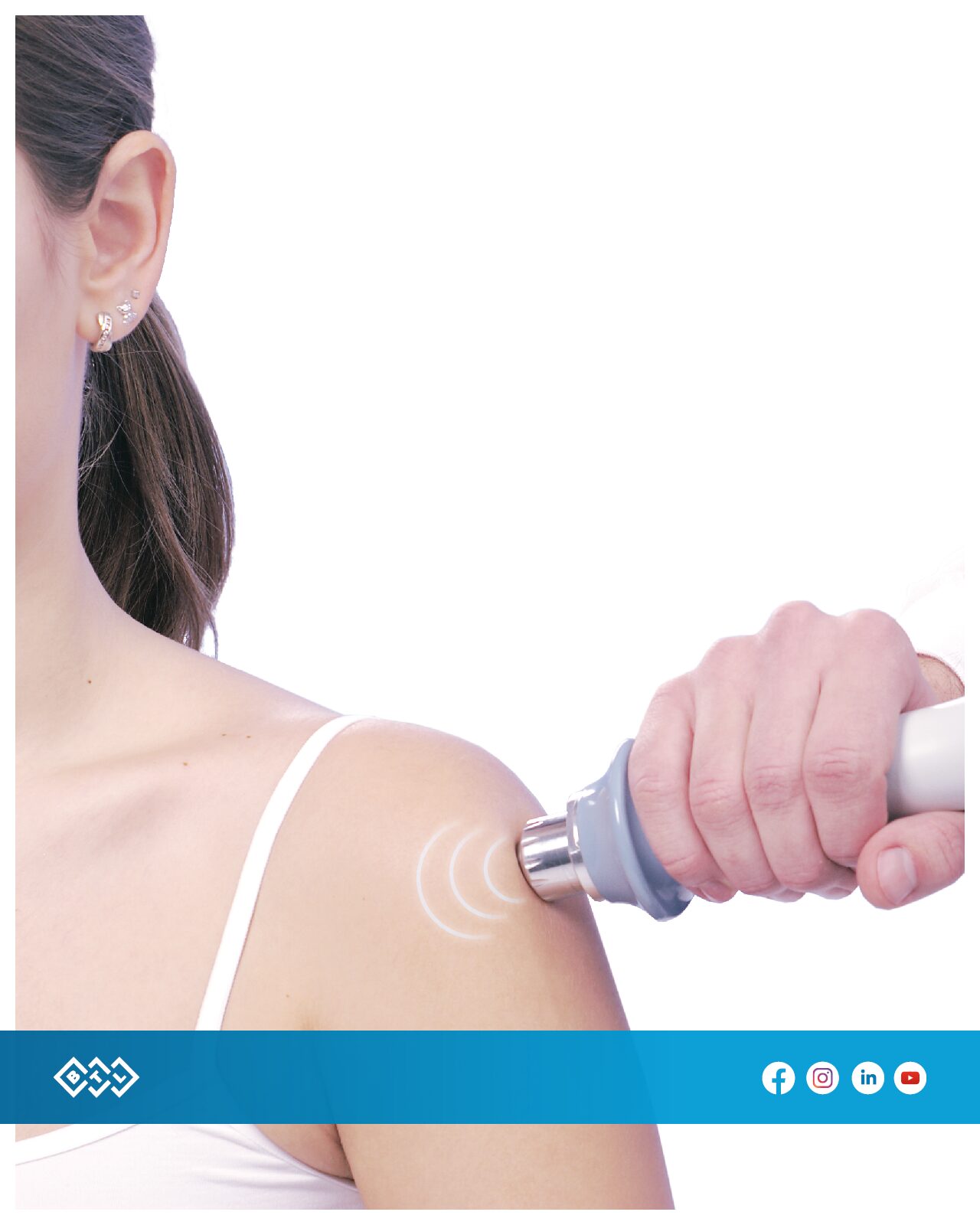
What is Rotator Cuff Tendinopathy?
The rotator cuff is a group of four muscles and their tendons that surround and stabilise the shoulder joint — supraspinatus, infraspinatus, teres minor, and subscapularis. These tendons are vulnerable to degenerative change and overload, particularly in individuals who perform repetitive overhead activities or who have had a history of shoulder injury.
Rotator cuff tendinopathy refers to degeneration of one or more of these tendons — most commonly the supraspinatus. Like other tendinopathies, the chronic form involves structural disorganisation of the tendon tissue rather than active inflammation, which is why prolonged anti-inflammatory approaches often have limited long-term benefit.
There are two distinct presentations that shockwave therapy is particularly well-suited for — calcific and non-calcific tendinopathy.
Calcium deposits form within the rotator cuff tendon — most commonly the supraspinatus. This can cause significant shoulder pain and restricted movement. Shockwave mechanically disrupts the calcium deposits, stimulating reabsorption. This is one of the strongest indications for shockwave therapy.
Degenerative change within the rotator cuff tendon without calcification. Pain with overhead activity, lying on the shoulder, and repetitive arm use. Shockwave stimulates tissue remodelling and is used alongside a rotator cuff loading and shoulder rehabilitation program.
Common Symptoms
Rotator cuff tendinopathy produces a characteristic pattern of shoulder pain. If these sound familiar, shockwave may be worth discussing.
Why Shockwave for Rotator Cuff Tendinopathy?
Rotator cuff tendinopathy — particularly calcific — is one of the strongest indications for shockwave therapy, with well-established clinical evidence supporting its use.
Shoulder Shockwave at SportsFit
Watch shockwave treatment applied to the shoulder for rotator cuff tendinopathy at our Five Dock clinic.
How We Treat Rotator Cuff Tendinopathy
The approach differs between calcific and non-calcific presentations. Assessment determines which pathway is most appropriate for you.
Assessment & Classification
We conduct a thorough shoulder assessment to confirm the diagnosis, identify which rotator cuff tendon is involved, and determine whether calcification is present. We assess shoulder range of motion, rotator cuff strength, and any contributing factors such as scapular control, thoracic mobility, and posture. If imaging has been performed, we review it as part of the assessment.
Shockwave Treatment
Using the BTL-6000 SWT, we apply targeted shockwaves to the affected tendon. For calcific presentations, treatment is focused on the calcium deposit itself. For non-calcific presentations, we treat the area of tendon degeneration identified on assessment. A typical course involves 3–6 sessions spaced one week apart.
Rotator Cuff Loading Program
Alongside shockwave, we prescribe a progressive rotator cuff and shoulder girdle strengthening program. This addresses the underlying weakness and motor control deficits that contribute to tendon overload. For non-calcific presentations this is essential — for calcific presentations it supports the recovery and reduces the risk of recurrence.
Activity & Load Management
We advise on activity modification during treatment — what overhead and repetitive activities to reduce, and for how long. For most people this involves targeted load reduction rather than complete rest, keeping the shoulder moving within a tolerable range.
Return to Full Function
As the tendon responds, we progress the rehabilitation program toward full overhead function and sport-specific demands where applicable. For calcific presentations, follow-up imaging can be used to confirm calcium reabsorption and guide return to full activity.
Key Studies & Evidence
Peer-reviewed publications supporting shockwave therapy for rotator cuff tendinopathy.
A systematic review examining shockwave therapy for calcific rotator cuff tendinopathy, evaluating pain outcomes, functional improvement, and calcium reabsorption rates compared to other non-surgical interventions. Published in EFORT Open Reviews.
View on PubMed →A comprehensive update on shockwave therapy covering biological mechanisms and clinical evidence across musculoskeletal conditions including rotator cuff tendinopathy. Published in EFORT Open Reviews.
View on PubMed →These references are provided for informational purposes. Individual responses to treatment vary. This information does not constitute medical advice.
FAQ — Rotator Cuff Tendinopathy & Shockwave
Both respond to shockwave, but calcific tendinopathy has arguably the strongest evidence base of any shockwave indication. The acoustic energy mechanically disrupts the calcium deposit — addressing the structural cause of pain directly. Non-calcific tendinopathy also responds well, particularly when shockwave is combined with a rotator cuff strengthening program.
Shockwave is generally considered a first-line non-surgical option for calcific tendinopathy and is worth trialling before proceeding to surgical intervention in most cases. We recommend discussing with both your surgeon and our team — but the evidence for shockwave in calcific shoulder is strong, and many patients avoid surgery with appropriate treatment.
Shockwave can significantly reduce the size of calcium deposits and stimulate reabsorption, which is associated with pain reduction and improved function. The degree of calcium reabsorption varies between individuals. Some experience complete resolution; others see partial reduction with significant symptom improvement. We'll give you a realistic expectation based on your presentation.
Imaging is not always essential before commencing treatment, but it is helpful — particularly for calcific presentations — to confirm the diagnosis, locate the deposit, and establish a baseline for monitoring response. If you have existing X-rays or ultrasound, please bring these. If not, we can advise on whether imaging is worthwhile before commencing.
No referral needed. Book a free call or an initial appointment directly online.
Not Sure If Shockwave Is Right for Your Shoulder?
Book a free call with one of our physios. We'll ask about your symptoms and give you an honest clinical answer — no obligation to proceed.
Book a Free CallAlready decided? Book an appointment directly →
No referral needed · Five Dock, Inner West Sydney · Health fund rebates available