
Plantar Fasciitis Treatment Sydney | Shockwave Therapy
Chronic heel pain that hasn't responded to rest, stretching, or orthotics. Shockwave therapy is one of the most evidence-supported treatments available for persistent plantar fasciitis.
Book a Free Call Book an Appointment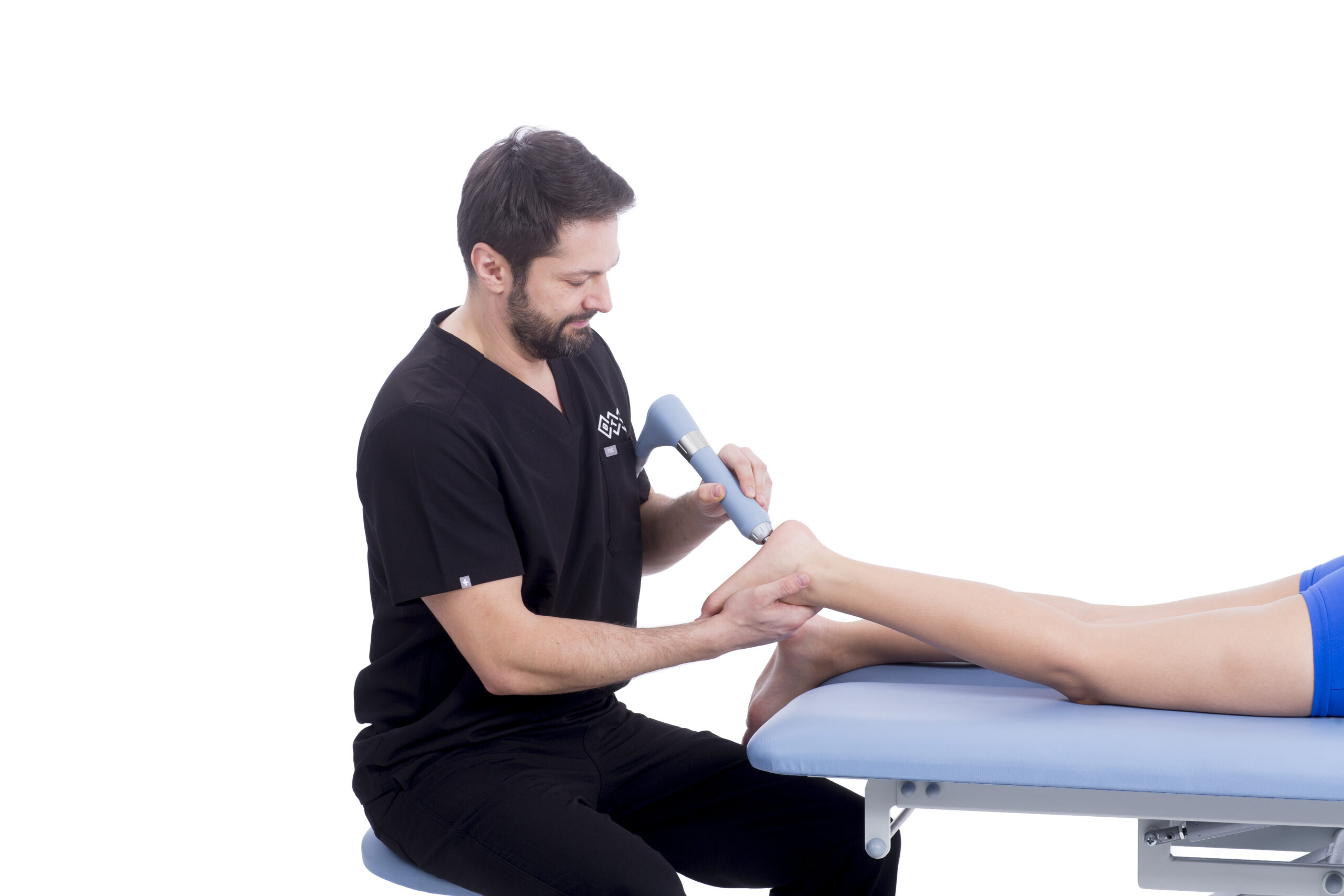
What is Plantar Fasciitis?
The plantar fascia is a thick band of connective tissue that runs along the base of the foot, connecting the heel bone to the toes. It plays a critical role in supporting the arch and absorbing load during walking and running.
Plantar fasciitis refers to degeneration and irritation of this tissue — typically at its attachment on the heel bone (calcaneus). Despite the name, it is not primarily an inflammatory condition. In chronic presentations, the tissue undergoes degenerative changes rather than active inflammation, which is why anti-inflammatory treatments often have limited long-term effect.
This distinction matters clinically — and it's why shockwave therapy, which stimulates tissue regeneration rather than suppressing inflammation, is particularly well-suited for chronic plantar fasciitis.
Common Symptoms
Plantar fasciitis has a recognisable symptom pattern. If these sound familiar, shockwave may be worth discussing.
Why Shockwave for Plantar Fasciitis?
Plantar fasciitis is one of the most well-researched indications for shockwave therapy. Multiple randomised controlled trials and systematic reviews support its use for chronic presentations.
How We Treat Plantar Fasciitis
Shockwave works best when it's part of a structured plan — not a standalone treatment. Here's what our approach looks like.
Assessment & Diagnosis
We start with a thorough physiotherapy assessment to confirm the diagnosis, understand your symptom history, and rule out other causes of heel pain (such as fat pad atrophy, calcaneal stress fracture, or nerve entrapment). We'll also assess contributing factors — calf tightness, foot mechanics, footwear, and training load.
Shockwave Treatment
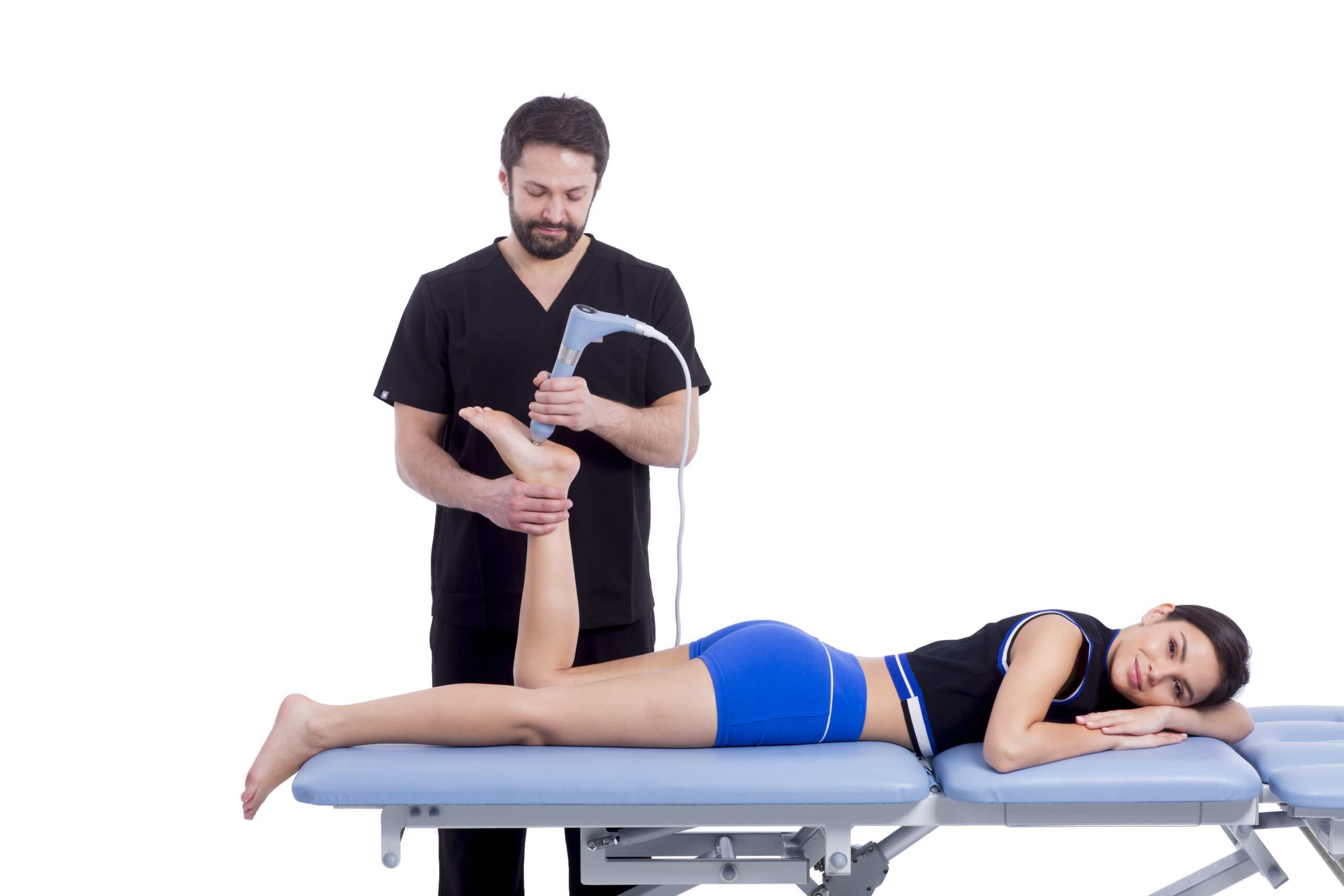
Using the BTL-6000 SWT, we apply radial shockwaves directly to the plantar fascia insertion and along the fascia itself. Treatment is targeted based on your assessment findings. Sessions run approximately 15–20 minutes. A typical course involves 3–6 sessions spaced one week apart.
Exercise Prescription — The Critical Component
Alongside shockwave, we prescribe a progressive calf and plantar fascia loading program. Research consistently shows that tendon and fascia loading is essential for long-term tissue remodelling. This typically includes progressive heel raise exercises, which you perform at home between sessions. We progress the program as your tolerance improves.
Load & Activity Management
We'll give you clear guidance on what activities to continue, modify, or temporarily reduce during treatment. The goal is to keep you as active as possible while the tissue responds. Complete rest is rarely indicated and often counterproductive.
Reassessment & Progression
We reassess your response throughout the treatment course and adjust the program accordingly. Once shockwave is complete, we transition to a maintenance loading program to sustain the gains made during treatment.
Shockwave + Loading = Better Outcomes
Shockwave creates the stimulus. Exercise provides the signal the tissue needs to reorganise and strengthen. Both are necessary for lasting results.
Low-load, sustained calf contractions that stimulate the plantar fascia without provoking symptoms. These can be performed even when pain is present and help manage discomfort during the early phase of treatment.
Graduated eccentric and concentric heel raise exercises that progressively load the calf-Achilles-plantar fascia chain. Performed on a step to increase the range of motion and tissue stress as tolerance builds.
Return to walking, running, and sport-specific activities with a structured progression plan. We monitor load and symptom response to ensure a safe return without setback.
A note on our approach: Shockwave without a loading program is an incomplete treatment. The acoustic energy from shockwave creates a window of opportunity for tissue healing — the exercise prescription is what fills that window. We won't cut this corner, and we'll make sure you understand why it matters.
Key Studies & Evidence
The following peer-reviewed publications form part of the evidence base supporting shockwave therapy for plantar fasciitis. We encourage patients to read the research.
A systematic review and meta-analysis of randomised controlled trials examining the efficacy and tolerability of shockwave therapy for plantar fasciopathy. Includes meta-regression analysis examining the relationship between treatment parameters and outcomes.
View on PubMed →A systematic review synthesising evidence from randomised controlled trials on the efficacy of extracorporeal shockwave therapy on pain and foot function in patients with plantar fasciitis. Published in Disability and Rehabilitation.
View on PubMed →A meta-analysis of 15 RCTs involving 1,123 patients comparing ESWT to other conservative treatment options. Found ESWT performed significantly better than placebo for pain outcomes. Published in The Foot.
View on ScienceDirect →A narrative review examining the evidence for combining shockwave therapy with exercise programs for tendinopathy treatment — the clinical rationale for our combined approach at SportsFit. Published in Sports Medicine and Health Science.
View on PMC →These references are provided for informational purposes. Individual responses to treatment vary. This information does not constitute medical advice — please consult a qualified physiotherapist to determine whether shockwave therapy is appropriate for your condition.
FAQ — Plantar Fasciitis & Shockwave
Response to treatment varies between individuals depending on how long symptoms have been present, tissue health, and adherence to the exercise program. Shockwave is typically delivered over 3–6 weekly sessions, with tissue remodelling continuing for weeks after the final session. We'll give you a realistic timeline at your initial assessment.
Not necessarily. Shockwave is specifically designed to address chronic, degenerated tissue. Long-standing presentations can still respond well, though more severe or prolonged cases may require a full course of treatment. The assessment will help us determine what's realistic for your situation.
In most cases, yes — with appropriate load modification. We'll advise you on what to reduce in the 24–48 hours following each shockwave session, and how to structure your training around the treatment program. Staying active where possible is part of the plan, not something to avoid.
Orthotics can be useful for load management in some cases, but they are not a treatment for plantar fasciitis — they modify load distribution without addressing the underlying tissue problem. We focus on treating the tissue and improving load tolerance through exercise, and will advise on orthotics where genuinely indicated.
Treatment can be uncomfortable, particularly over the heel attachment where the fascia is most degenerated. Most people find it tolerable for the duration of the session. Some post-treatment soreness over the heel for 24–48 hours is normal and expected.
No referral needed. Book directly online for a free phone call or an initial appointment, and we'll assess and commence treatment in the same session where appropriate.
Not Sure If Shockwave Is Right for Your Heel Pain?
Book a free call with one of our physios. We'll ask a few questions about your symptoms and give you an honest answer — no obligation to proceed.
Book a Free CallAlready decided? Book an appointment directly →
No referral needed · Five Dock, Inner West Sydney · Health fund rebates available