
Trigger Finger Treatment Sydney | Non-Surgical Shockwave Therapy
A condition affecting the flexor tendon sheath of the finger, causing pain, catching, and restricted movement. Shockwave therapy is an emerging non-surgical option for trigger finger that hasn't responded to conservative management.
Book a Free Call Book an Appointment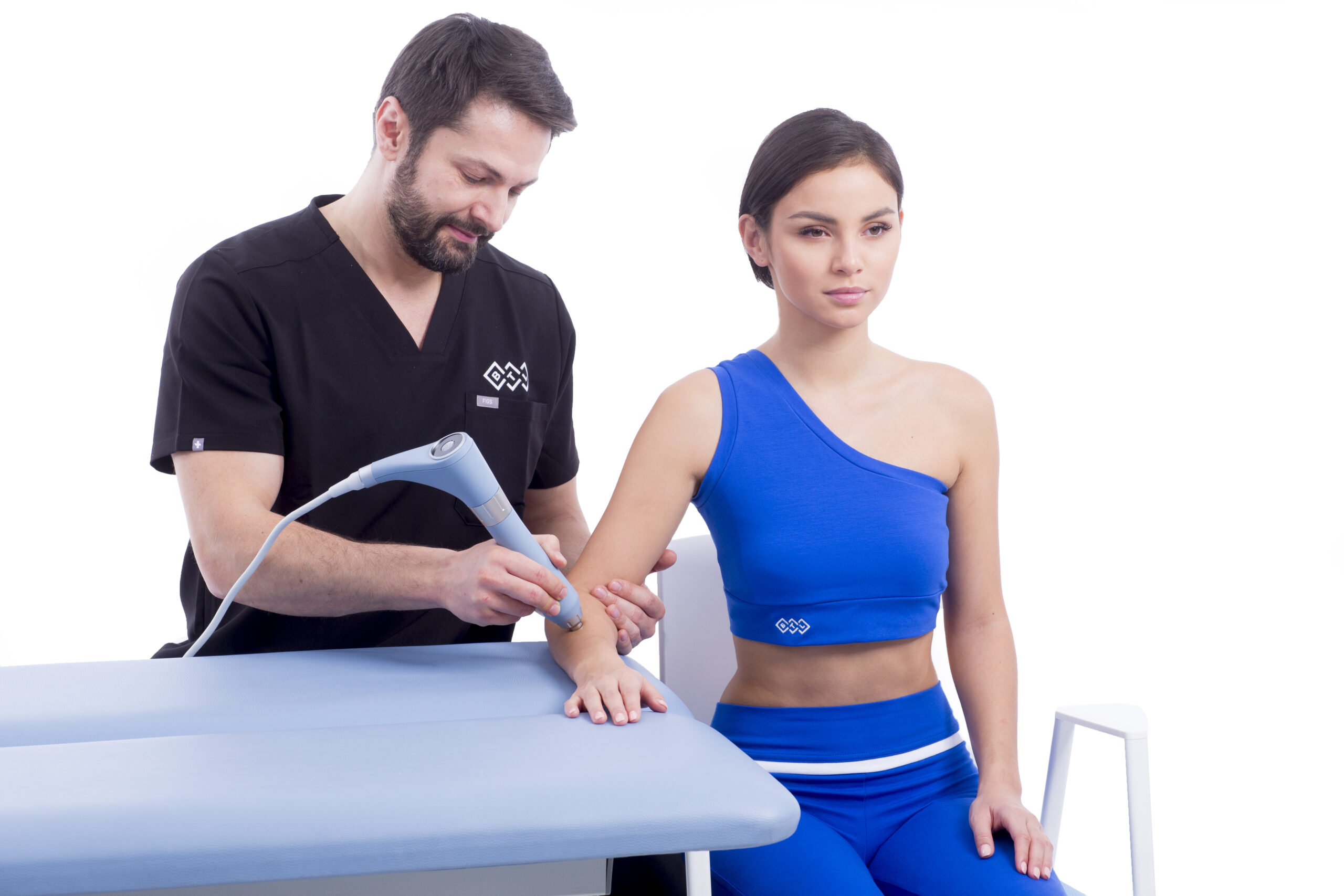
What is Trigger Finger?
Trigger finger — medically termed stenosing tenosynovitis — is a condition affecting the flexor tendon and its surrounding sheath in the finger. The flexor tendons run through a series of pulleys along each finger; in trigger finger, thickening of the tendon or the tendon sheath causes the tendon to catch or lock as the finger is flexed and extended.
The condition is characterised by pain, stiffness, and a catching or snapping sensation when moving the affected finger. In more advanced cases, the finger may become locked in a bent position.
Trigger finger is more common in people who perform repetitive gripping activities, in those with diabetes, and in women over 40. It can affect any finger, including the thumb (trigger thumb).
Conventional treatment options range from splinting and corticosteroid injection through to surgical release. Shockwave therapy is an emerging non-surgical option that is being explored for cases that haven't responded adequately to other conservative measures.
Common Symptoms
Trigger finger presents with a distinctive set of symptoms that are usually recognisable to those experiencing it.
An Emerging Non-Surgical Option
The evidence base for shockwave therapy in trigger finger is more limited than for established tendinopathies — we want to be transparent about that. Here's what we know, and how we approach it.
How We Assess & Treat Trigger Finger
Assessment comes first. Not every trigger finger presentation is suitable for shockwave — we'll be direct about what we think is appropriate for yours.
Thorough Assessment
We assess the grade of trigger finger (mild catching through to locked), the duration of symptoms, what treatments have already been tried, and whether there are any underlying contributing factors such as diabetes or inflammatory arthritis. This determines whether shockwave is an appropriate option for your presentation.
Honest Discussion of Options
We'll discuss the full range of management options with you — including splinting, activity modification, corticosteroid injection, and surgical release — alongside shockwave. We'll give you our honest clinical view on what's likely to be most appropriate for your situation. If we don't think shockwave is the right first step for you, we'll say so.
Shockwave Treatment
Using the BTL-6000 SWT, we apply focused shockwaves to the A1 pulley region at the base of the affected finger. Treatment sessions are short — typically 10–15 minutes. A course involves 3–5 sessions spaced one week apart, with reassessment throughout.
Adjunct Management
Alongside shockwave, we may recommend splinting, activity modification, and gentle tendon gliding exercises to support recovery. If response to shockwave is inadequate, we will discuss further management options including referral for specialist review.
FAQ — Trigger Finger & Shockwave
The evidence is emerging rather than established. Shockwave has a strong evidence base for conditions like plantar fasciitis, Achilles tendinopathy, and calcific shoulder — but the volume of high-quality research specifically for trigger finger is more limited. We're transparent about this, and it's why we conduct a thorough assessment before recommending it for any individual presentation.
It is most likely to be appropriate for mild to moderate presentations that haven't responded to splinting or activity modification, and where the patient wishes to explore non-surgical options before considering injection or surgery. Severe or locked presentations may be better served by earlier referral for specialist management.
It may be appropriate to try before proceeding to those options in selected cases — but we won't overstate the evidence. For some presentations, injection or surgery is the more appropriate pathway, and if that's our assessment we'll tell you directly rather than recommend a treatment we don't think will help.
No referral needed. Book a free call and we'll discuss your symptoms and advise honestly on whether shockwave is worth pursuing for your situation.
Want to Know If Shockwave Is Right for Your Trigger Finger?
Book a free call and we'll give you an honest clinical answer — including whether we think shockwave is appropriate for your presentation, or whether another pathway is more suitable.
Book a Free CallAlready decided? Book an appointment directly →
No referral needed · Five Dock, Inner West Sydney · Health fund rebates available